
Published: January 11, 2026
By Alex Rivera, Blockchain Analyst
Alex has tracked cryptocurrency markets since 2016 and covers DeFi, NFTs, and altcoin trends.
After tracking these markets for a decade, my honest take is that most retail investors lose more to bad process than to bad luck. The analysis below is built from the patterns I have watched repeat across multiple cycles.
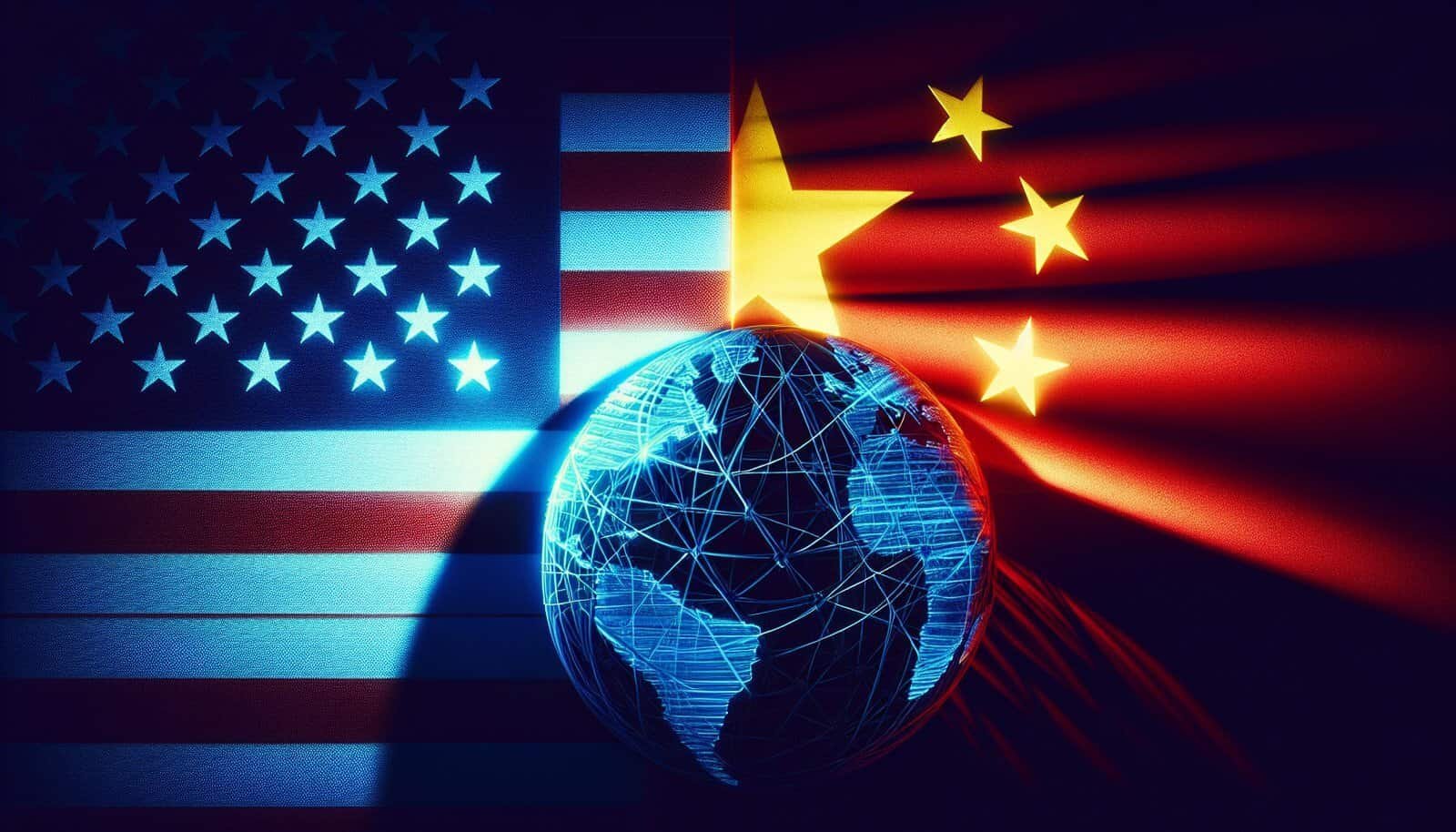
What does the evolving rivalry between the United States and China mean for the future of global finance, and could it potentially usher in a new Cold War era? This intriguing question raised by an IMF official serves as a catalyst for exploring intricate international dynamics that affect everything from cryptocurrency markets to regulatory policies worldwide. Let’s unpack the layers of this complex issue, considering crypto trends, economic implications, and the broader geopolitical landscape.

Understanding the US-China Rivalry
The relationship between the United States and China has always been critical to the global economy. Beyond trade, technology, and diplomacy, their rivalry now prominently features the sphere of digital currency and blockchain technology.
Historical Context
Historically, the US and China have competed for global influence, particularly post-World War II. The Cold War era between the United States and the Soviet Union set the stage for what a modern rivalry might look like, characterized by indirect conflict, technological races, and strategic alliances. With economic interests at stake, the US and China focus on maintaining regional and global dominance, leading to tension across various domains.
Modern Ramifications
In recent years, this rivalry has intensified in the domains of technology and finance. Both countries have been taking significant strides in blockchain technology and digital currency. The US, with its robust financial institutions and regulatory landscape, finds itself at odds with China’s decisive moves in establishing a digital currency—the Digital Yuan, aiming for a broader adoption that could challenge the dominance of the US dollar.
Cryptocurrency’s Role in International Rivalry
Cryptocurrencies, initially viewed with skepticism by traditional financial sectors, have become integral in international financial conversations. They represent a new frontier in the ongoing US-China rivalry.
Bitcoin and Geopolitics
Bitcoin, the most famous cryptocurrency, functions outside the traditional financial systems, leading many governments to consider it a potential threat to their monetary authority. China’s initial embrace followed by restrictions on cryptocurrency mining and trading starkly contrasts with the US’s regulatory challenges where institutional acceptance grows but not without legal scrutiny.
Regulatory Developments
As cryptocurrencies grow in prominence, both the US and China have adopted different regulatory approaches. While the US grapples with setting comprehensive regulatory standards, China has imposed strict regulations to maintain control over capital flows. This difference illustrates each nation’s philosophy regarding economic control and technological innovation.

Blockchain Innovations
Beyond cryptocurrencies, blockchain technology offers innovative possibilities that neither the US nor China can ignore.
Technological Race
The race to lead in blockchain technology is a subset of the broader technological race that characterizes US-China competition. Blockchain applications in supply chain logistics, identity verification, and even digital voting systems hold significant potential for efficient governance and economic systems, and both nations aim to capitalize on these advances.
Collaborative Opportunities
Despite rivalry, opportunities exist for collaboration in setting global standards for blockchain technology that ensure security, privacy, and scalability. Collaborative efforts can reduce transactional friction and enhance global trade efficiency, benefiting both economies.
Market Reactions and Economic Implications
The intensity of the US-China rivalry undeniably influences market trends, particularly in the cryptocurrency space, impacting everything from investor sentiment to market volatility.
Cryptocurrency Volatility
Market volatility is a well-documented characteristic of cryptocurrencies. With geopolitical tensions, this volatility often amplifies as traders and investors react to perceived risks. Recent Bitcoin price fluctuations, fueled by regulatory news or policy changes in the US and China, reflect this sensitivity to geopolitical events.
Global Economic Impact
The global economy feels the ripple effects of US-China tensions. Trade policies influenced by this rivalry can affect global supply chains, while technological competition can reshape labor markets and innovation strategies worldwide. Economies heavily invested in either the US or China must navigate the complexities of this rivalry wisely.

Potential for a New Cold War
Can the US-China rivalry descend into a new Cold War? Several factors contribute to this possibility, each carrying significant implications for global governance and economic systems.
Military and Cyber Battlefronts
The transition from economic and digital rivalry to military or cyber confrontation could mark a return to Cold War-like tensions. Cybersecurity threats in particular serve as a modern battleground where both nations continuously upgrade offensive and defensive capabilities.
Economic Strategies
The use of economic sanctions, tariffs, and trade policies as tools of rivalry mimic Cold War strategies by exerting economic pressure to achieve political objectives. The rise of economic blocs and alliances can realign geopolitical landscapes similarly to past alignments.
Prospects for De-escalation
Despite rising tensions, various pathways exist for reducing rivalry and avoiding a descent into Cold War II.
Diplomatic Engagements
Increasing diplomatic channels and confidence-building measures can alleviate tensions. Both nations benefit from dialogues focusing on mutual interests such as climate change, global health, and scientific research, areas where collaboration holds mutual benefits.
Economic Interdependence
The global economy is interconnected, with the fortunes of one nation often impacting others. Recognizing this interdependency might encourage the US and China to seek cooperative solutions that benefit their own economies and the global system.
Conclusion
In today’s multi-polar world, the US-China rivalry affects much more than just the two nations involved. Its implications are global, influencing international trade, financial stability, and technological developments, as well as the burgeoning field of cryptocurrency and blockchain.
The threat of a new Cold War poses significant challenges, but with careful diplomacy and strategic economic policies, it’s possible to navigate these tensions towards a more collaborative international order. Whether through competition or cooperation, the actions of the US and China will continue to shape the global landscape for years to come.
Understanding the intricacies of their rivalry, especially in the context of digital currency and blockchain, is crucial for anyone invested in the global market and geopolitical future. In such a dynamic environment, staying informed and adaptable remains a necessity for making informed decisions on a global scale.
Sources
The guidance in this article is informed by the following authoritative sources:
- U.S. Securities and Exchange Commission (SEC) — Regulator guidance and investor protection resources for digital assets.
- CFTC — Press Room — Commodity Futures Trading Commission market data and regulatory updates.
- CoinGecko — Market Data — Independent on-chain and market data referenced for token metrics.
External links open in a new tab. Verify current details with the source before relying on them.